
Wine Culture (English)
Lees Aging and Sur Lie Explained: How Spent Yeast Gives Wine Texture and Toasty Aromas
Th11
Some white wines feel round and almost creamy without tasting of oak. Some Champagnes smell of fresh bread, brioche or toasted biscuit even though no baker was involved. Behind both effects is one humble ingredient that many wine lovers never hear about: the lees. Understanding lees aging is one of the easiest ways to read a wine more deeply.
What are lees?
When yeast has finished turning grape sugar into alcohol, it dies and sinks to the bottom of the tank, barrel or bottle, together with fine particles of grape skin and pulp. This sediment is called the lees.
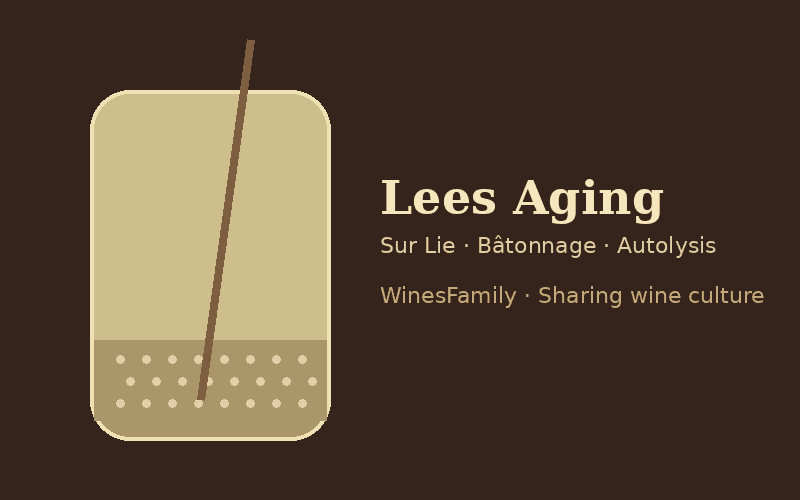
Winemakers usually separate them into two kinds. Gross lees are the heavy, coarse deposit that settles in the first days after fermentation; they are normally removed quickly because they can give unpleasant flavours. Fine lees are the lighter, smaller particles that remain. Leaving a wine in contact with these fine lees for weeks, months or even years is what we call lees aging.
What lees contact does to a wine
Texture and roundness
Over time the dead yeast cells slowly break down, a process called autolysis. They release compounds such as mannoproteins and polysaccharides into the wine. You do not taste these as a flavour so much as feel them: the wine seems fuller, smoother and longer on the palate, while keeping its freshness.
Aromas of bread, brioche and nuts
Autolysis also creates the “bakery” aromas that tasters describe as bread dough, brioche, biscuit or toasted nuts. The longer the contact, the more pronounced these notes usually become. This is why a long-aged Champagne smells so different from a young, simple sparkling wine.
Freshness and protection
Lees can absorb oxygen, which helps keep a resting wine fresh. The flip side is that if lees are left unmanaged, the wine can develop reductive smells, such as struck match or rotten egg. Lees aging is therefore a skill, not simply a matter of waiting.
Three classic styles shaped by lees
Muscadet “sur lie” from the Loire
Near the Atlantic coast, around the city of Nantes, the Melon de Bourgogne grape makes Muscadet, a light, dry and naturally neutral white. The words sur lie (“on the lees”) on the label mean the wine has rested on its fine lees through the winter after harvest before being bottled. The result keeps Muscadet’s lemony, salty freshness but adds extra texture and sometimes a faint prickle of natural carbon dioxide.
White Burgundy and bâtonnage
In Burgundy, Chardonnay is often aged in barrel on its lees, and winemakers may stir them back into the wine with a stick. The French word for stick is bâton, so the technique is called bâtonnage. Stirring spreads the lees through the wine and increases the creamy, rounded effect. Combined with malolactic fermentation (see our guide to malolactic fermentation), it helps explain the rich style of many white Burgundies.
Champagne and traditional-method sparkling wine
In the traditional method, the second fermentation happens inside the bottle, so the wine ages on its own lees until they are removed. Champagne rules require non-vintage Champagne to age at least 15 months before release, including at least 12 months on the lees, and vintage Champagne at least three years. Many producers go well beyond these minimums, and the extra time is a big part of the toasty, layered character of fine Champagne.
How to spot lees influence when tasting
- Texture first: a white wine that feels round and silky yet still fresh, with little or no oak flavour.
- Aroma clues: bread, brioche, biscuit, yeast or light nutty notes.
- Label clues: “sur lie”, “élevé sur lies”, or extended aging times stated on a sparkling wine.
- Bubbles: in sparkling wine, long lees aging is usually associated with a finer, creamier mousse.
Lees-aged wines at a Vietnamese table
Lees-aged whites are versatile partners for food because they combine freshness with body. In Vietnam, a crisp, saline Muscadet sur lie is a natural match for nghêu hấp sả, clams steamed with lemongrass and chili, or for grilled squid with a squeeze of lime. Its acidity lifts the seafood while the lees texture stands up to the herbs.
A traditional-method sparkling wine with some lees age works beautifully with bánh xèo, the crispy turmeric rice-flour pancake filled with shrimp and pork and wrapped in fresh herbs. The bubbles and acidity cut through the fried batter, while the bready notes echo its toasty edges. A rounder, lees-stirred Chardonnay suits gentler dishes such as steamed fish with ginger.
📖 Glossary
- Lees: sediment of dead yeast and grape particles left after fermentation.
- Gross lees / fine lees: the heavy first deposit (usually removed) and the lighter particles kept for aging.
- Sur lie: French for “on the lees”; aging a wine in contact with its lees.
- Autolysis: the breakdown of dead yeast cells, adding texture and bready aromas.
- Bâtonnage: stirring the lees back into the wine.
- Melon de Bourgogne: the grape variety of Muscadet.
Next time a white wine feels surprisingly creamy, or a sparkling wine smells like a warm bakery, think of the lees: the quiet work of yeast long after fermentation has ended.
Please enjoy responsibly. Never drink and drive. Intended for adults of legal drinking age.
WinesFamily – Sharing wine culture | winesfamily.vn